
Every local Internet Service Provider (ISP) is familiar with this scenario.
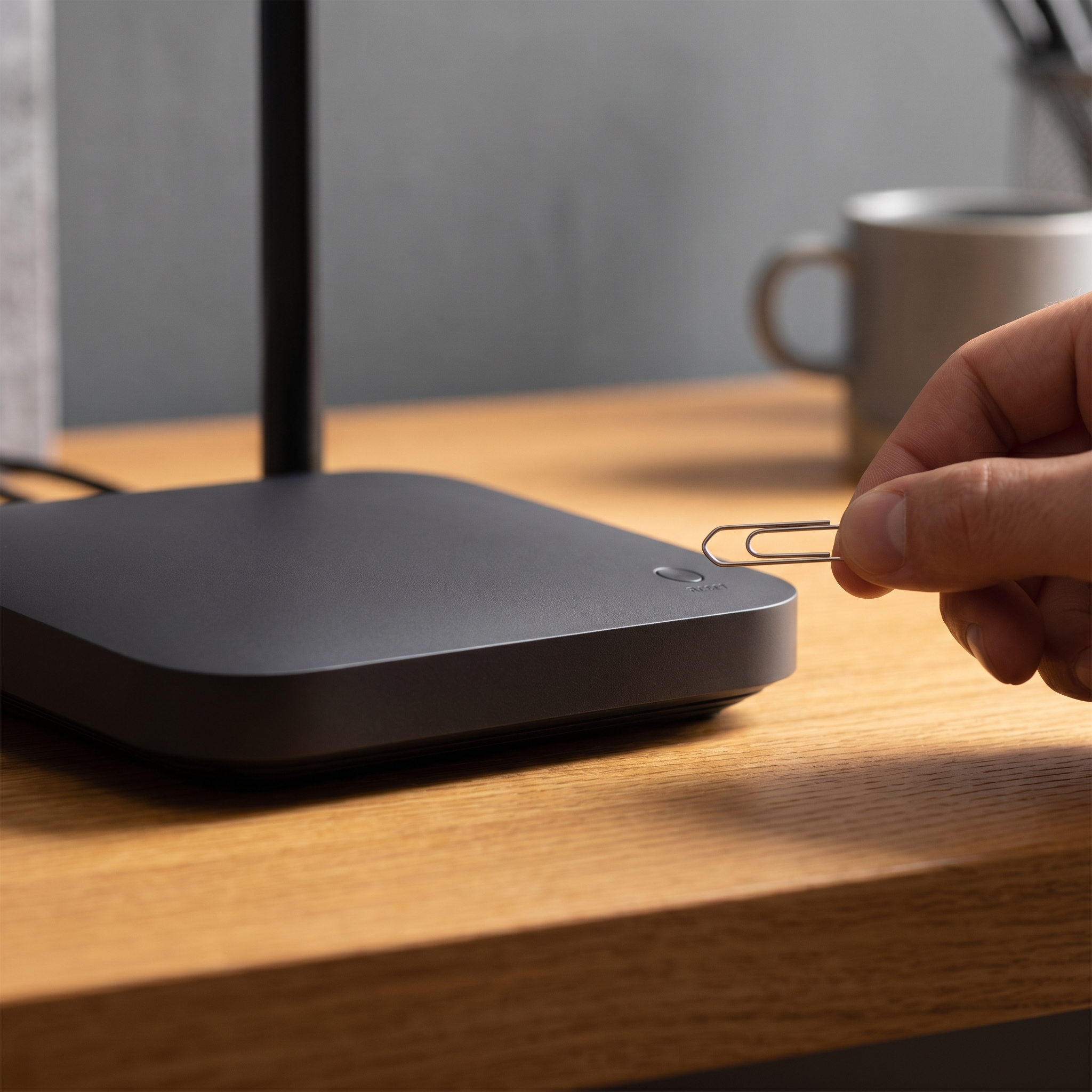
A subscriber calls the support hotline to complain about slow internet speeds. Before the representative can run a line check, the customer says, “Don’t worry, I already fixed it. I used a paperclip to hold down the reset button on the back of the router for ten seconds.”
For an ISP, this simple act disrupts operations and incurs unnecessary costs.
When a standard router undergoes a hard reset, it erases the PPPoE credentials, custom VLAN settings, and the TR-069 remote management URL. The device becomes non-functional, requiring an on-site technician visit. A single truck roll can wipe out the profit margin from that subscriber for up to six months.
Todahika designs hardware to protect your operational margins. We provide tailored firmware and software optimization aligned with your specific business model, rather than just placing your logo on generic plastic casing.
1. Hardcoded Factory Default Settings
The most effective defense against accidental hard resets is redefining the default reset parameters.
When you source routers or Optical Network Terminals (ONTs) from Todahika, we do not ship them with generic factory firmware. Our software engineers write your specific network configuration directly into the device’s non-volatile ROM.
-
The Result: If a subscriber performs a hard reset, the router does not revert to an unconfigured state. Instead, it restores your default configuration. The device automatically reconnects to your Auto-Configuration Server (ACS) via the TR-069 protocol, retrieves the customer-specific PPPoE credentials, and restores connectivity within two minutes.
-
Return on Investment: Eliminates on-site service calls triggered by unauthorized factory resets.
2. White-Label User Interface
A subscriber’s router is an opportunity to reinforce your local brand presence. When users log into the local management interface to update their Wi-Fi password, they should see your brand identity, not generic factory branding.
-
Customized Web GUI: We modify the HTML Web GUI to align with your corporate color palette and branding guidelines.
-
Embedded Support Information: Your ISP logo and technical support hotline are permanently integrated into the control panel, ensuring customers can easily find your contact details.
-
Custom Default SSID: Out of the box, devices broadcast a structured SSID (e.g., “YourBrand_Fiber_5G”) rather than a randomized alphanumeric string.
3. Granular Function Lockout
End-user modifications to advanced network settings often lead to connection instability. Subscribers may alter DNS servers, adjust MTU sizes, or disable firewalls based on online forums, resulting in support tickets for the ISP.
Our OEM firmware customization allows operators to restrict user access to critical network parameters:
-
Dual-Tier Account Structure: We implement a hidden administrator account for your technical support teams, granting full access to advanced routing protocols, TR-069 configurations, and VLAN tagging.
-
Restricted User View: Subscribers log in via a restricted user account. They only have visibility over basic functions, such as modifying the Wi-Fi network name and password, while critical architecture settings remain locked.
4. Flexible MOQs for Growing Operators
While many high-volume hardware manufacturers require a Minimum Order Quantity (MOQ) of 10,000 units for firmware customization, Todahika supports mid-sized and regional operators. Our production lines accommodate lower, more practical MOQs, preventing your capital from being locked up in excess inventory.
Optimize Your Hardware Deployment
Deploying generic devices increases technical support overhead. By customizing your device firmware and user interfaces, you can eliminate unnecessary service calls, streamline provisioning, and strengthen your brand presence in your target market.
Contact the Todahika OEM engineering team today to share your network requirements and arrange a custom firmware prototype for field testing.
Post time: May-27-2026


